


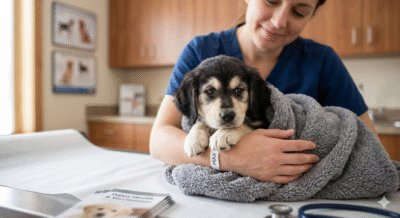
 As a new dog owner or a long-time pet lover, the word “Parvo” is likely one you’ve heard whispered in vet waiting rooms with a sense of dread. Canine Parvovirus is a highly contagious, resilient, and potentially fatal virus that primarily attacks a dog’s gastrointestinal tract.
If you are starting a journey with a new puppy, or simply want to keep your adult dog safe, understanding this virus isn’t just helpful—it’s essential.
1 . The Warning Signs: Don’t Wait
Parvo moves fast. The incubation period is usually 3 to 7 days, meaning your dog could be infected before they even look sick. Watch for these “Red Flag” symptoms:
Severe Lethargy: Your usually bouncy pup suddenly won’t get up.
Loss of Appetite: Complete refusal of food or water.
Persistent Vomiting: Often the first clear physical sign.
Bloody Diarrhea: This is a hallmark of the virus and leads to rapid dehydration.
Fever or Low Body Temperature: Their ears and paws may feel unusually hot or cold.
Crucial Note: If your dog shows these signs, contact a veterinarian immediately. Early intervention increases the survival rate to over 80-90%, whereas untreated Parvo is almost always fatal.
2. How Does It Spread? (It’s Harder to Kill Than You Think)
One of the biggest myths is that your dog has to meet an infected dog to get sick. In reality:
The Virus is Resilient: It can survive in soil or on surfaces for months, even through cold winters.
Indirect Contact: You can bring the virus into your home on your shoes, tires, or clothing after walking through a contaminated area (like a park or a pet store).
Puppy Vulnerability: Puppies between 6 and 20 weeks are at the highest risk because their immune systems are still developing.
3. Prevention: Your Best Defense
You don’t want to “fight” Parvo; you want to prevent it.
Vaccination is Key: Puppies generally need a series of shots starting at 6-8 weeks, with boosters every 3-4 weeks until they are at least 16 weeks old.
Avoid High-Traffic Areas: Until your puppy is fully vaccinated (usually two weeks after their final shot), avoid dog parks, pet stores, and public grassy areas.
Proper Cleaning: Most household cleaners won’t kill Parvo. If you suspect an area is contaminated, use a diluted bleach solution (1 part bleach to 30 parts water) or a specialized veterinary disinfectant.
4. Common Myths vs. Facts
Myth: “Only puppies get Parvo.” -> Fact: Adult dogs can catch it too, especially if they haven’t had their boosters.
Myth: “My indoor dog is safe.” -> Fact: You can carry the virus inside on your own shoes or clothes.
Myth: “I can treat it at home.” -> Fact: Home remedies like Gatorade or vitamins cannot replace the IV fluids and intensive care provided by a vet.
Final Thoughts
Parvovirus is a scary prospect, but with a strict vaccination schedule and quick action at the first sign of illness, it is a battle that can be won.
Have you checked your dog’s vaccination records lately? If you’re unsure, a quick call to your vet today could save a life tomorrow.