
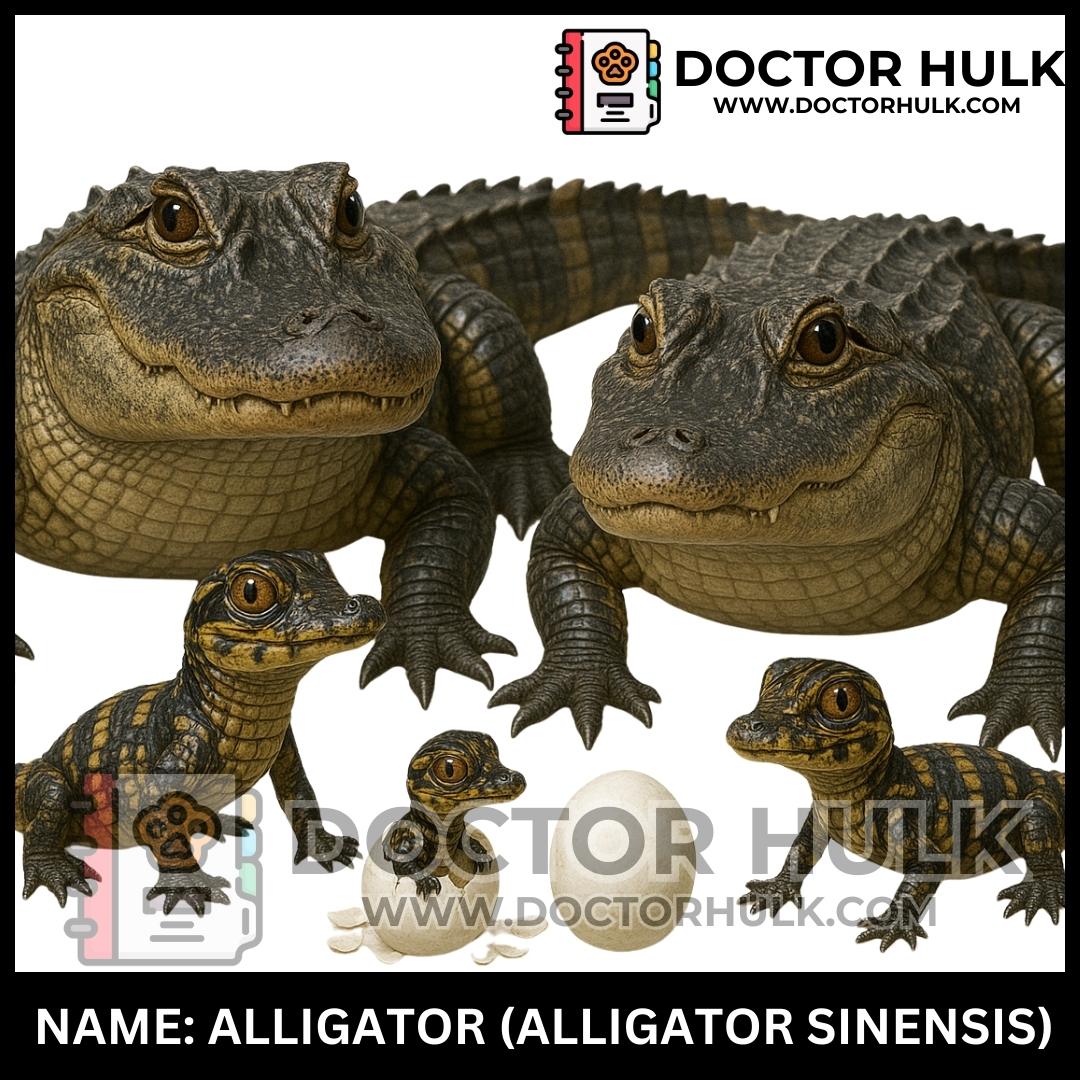

Alligators are one of the oldest reptiles on Earth, often called “living dinosaurs.” They are known for their powerful jaws, scaly skin, and slow, sneaky movements, these creatures fascinate many and frighten others. There’s more to an alligator than meets the eye. There are only two living species of alligators today: the American alligator and the Chinese alligator.
Scientific Classification
- Kingdom: Animalia
- Phylum: Chordata
- Class: Reptilia
- Order: Crocodylia
- Family: Alligatoridae
- Genus: Alligator
Common Names
Most people simply call them “alligators” or “gators.” In some places, locals refer to them as:
- Gator (slang in the U.S.)
- Dragon turtle (in some Asian cultures)
- Swamp lizard (informal, descriptive term)
Geographic Distribution
Alligators are found in two main regions of the world:
- American Alligator: Lives mainly in the southeastern United States, Florida, Louisiana, Georgia, and nearby areas.
- Chinese Alligator: Found only in eastern China, mostly around the Yangtze River.
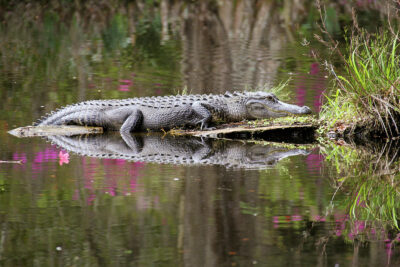
Image showing alligator sunbathing on riverbank(Source:Photos.com)
Types of Alligators
1. American Alligator
The American alligator is the most common and well-known type. It enjoys warm, freshwater environments like swamps, marshes, rivers, and lakes.
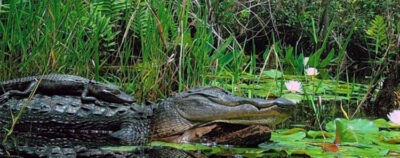
Image showing Adult American Alligator in wetland (Source: gacost)
Key Facts:
- Length: Up to 13–15 feet (4–4.5 meters)
- Weight: Can weigh over 450 kg (1,000 lbs)
- Temperament: Generally avoids humans but can be dangerous if provoked
- Habitat: Swamps, freshwater lakes, slow-moving rivers
2. Chinese Alligator
The Chinese alligator is much smaller and extremely rare in the wild.
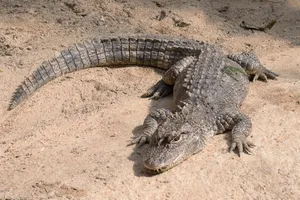
Image showing small Chinese Aligator (Source:bitannica.com)
Key Facts:
- Length: Usually less than 7 feet (2.1 meters)
- Status: Critically endangered
- Temperament: Shy and less aggressive
- Habitat: Rivers and ponds in eastern China
Physical Characteristics
- Alligators have thick, scaly skin, muscular tails, and strong jaws with many sharp teeth.
- Their eyes and nostrils sit on top of their heads, allowing them to hide their bodies underwater while watching above.
- They are usually blackish-grey in color. Baby alligators have yellow stripes on their backs, which fade with age.
Alligator vs. Crocodile
Many people confuse alligators with crocodiles, but they are different in a few clear ways:
- Snout shape: Alligators have U-shaped snouts; crocodiles have V-shaped ones.
- Habitat: Alligators prefer freshwater, crocodiles prefer saltwater.
- Colour: Alligators are darker; crocodiles are usually lighter and greener.
- Aggression: Crocodiles are often more aggressive than alligators.
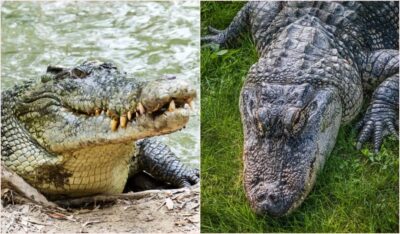
Image showing side by side comparison of aligator and crocodile (Source: Animals around the globe official)
Fun Facts
- Alligators can live up to 50 years in the wild or even longer in captivity.
- A group of alligators is called a congregation.
- They can survive cold weather by entering a state similar to hibernation called brumation.
- Despite their size, they are excellent swimmers and can hold their breath for over an hour.
- Baby alligators call to their mothers when in danger. They are one of the few reptiles that care for their young.
Importance to Humans
Alligators play a valuable role in nature. They help control the population of animals like fish and turtles. Their nests even create safe homes for other animals.
However, they can pose danger to humans if approached carelessly. Attacks are rare but can happen, especially in areas where humans and alligators live close together.
In some cultures, alligators are hunted for their skin and meat, which brings money to local economies.
Health & Common Issues
Veterinary care for alligators is needed mostly in zoos, parks, or rehab centers. Alligators are generally healthy in the wild, but they can suffer from:
- Injuries from fights or accidents
- Parasites like worms and ticks
- Infections from polluted water
- Bone and jaw problems in captivity
Important Health Tips:
- Monitor for signs of infection or injury
- Ensure clean water in captive settings
- Parasite checks during health reviews
- Require secure enclosures to reduce stress
Conservation Status
American Alligator: Once endangered, now classified as “Least Concern” thanks to strong conservation laws.
Chinese Alligator: They are critically endangered, with only a few dozen left in the wild. Conservation programs are working hard to save them. Protecting their habitats and avoiding illegal hunting are the best ways to help.
Alligators are powerful, ancient reptiles with unique behaviors and important roles in nature. Though not suitable as pets, they deserve respect and protection. Learning about these animals helps us live safely near them and support their survival.
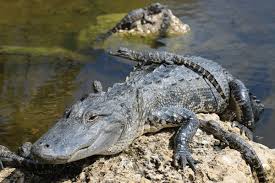
Image showing baby aligator with mother in swamp (Source: Shutterstock)
Want to know more about exotic animals or report a sighting near your area? Call Doctor Hulk Veterinary Hospital Today @ 08143397614! We care about all creatures big, small, furry, or scaly.


Reviews
There are no reviews yet.