
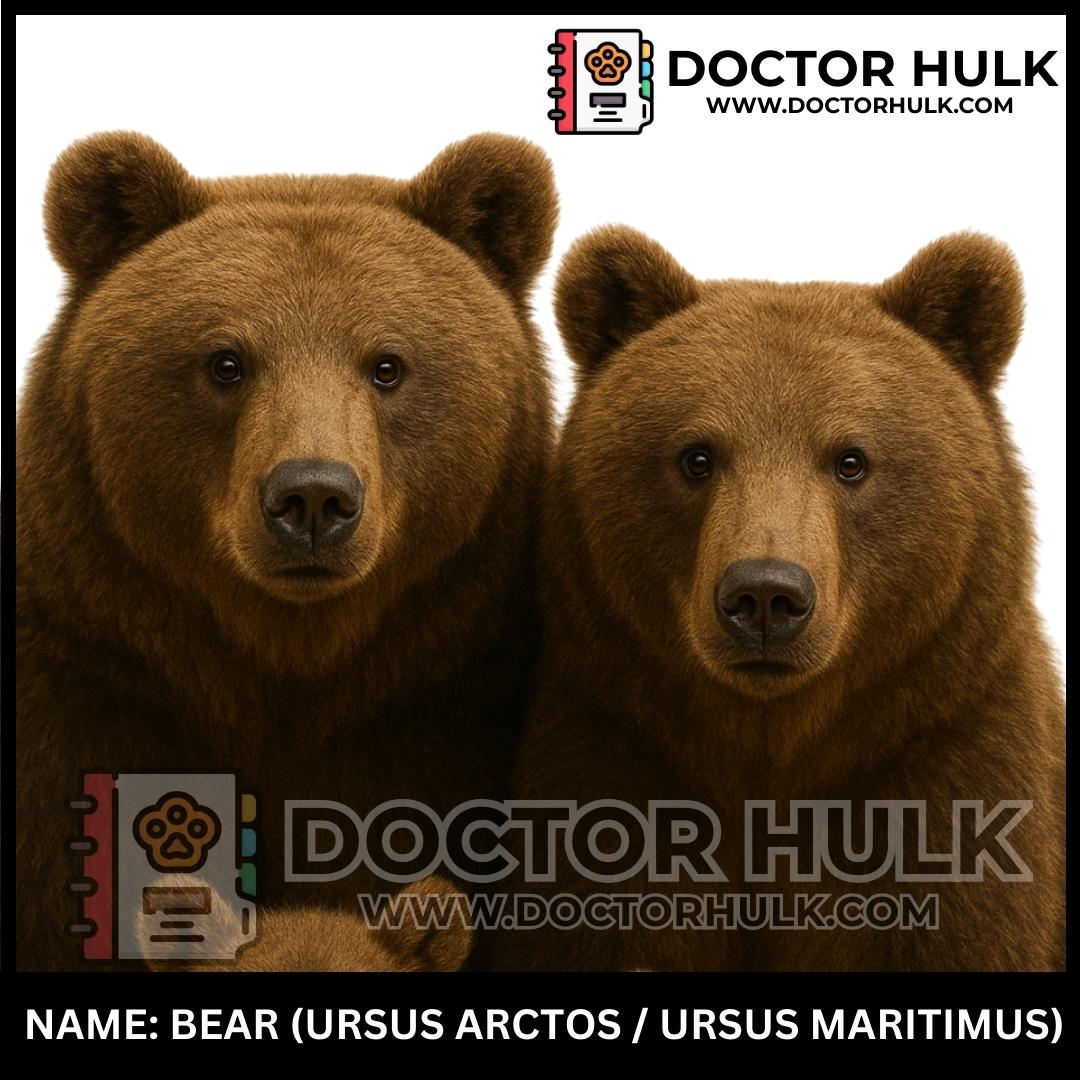
Bears are large, powerful mammals that live in forests, mountains, and cold lands. They may look scary at first, but many bears are calm, intelligent, and even shy unless disturbed. Some love honey and berries, while others are strong hunters. Bears remind us of the power of nature—and the need to protect it.
Scientific Classification
- Kingdom: Animalia
- Phylum: Chordata
- Class: Mammalia
- Order: Carnivora
- Family: Ursidae
There are eight living species of bears in the world today, each with unique features and habitats.
Common Names
- Bear
- Grizzly
- Brown Bear
- Polar Bear
- Panda
- In some local African languages, bears are referred to by terms like “Oluwa erin” (Yoruba) meaning “lord of the forest,” though true wild bears do not live in sub-Saharan Africa.
Geographic Distribution
Bears live in North America, South America, Europe, and Asia. They are not native to Africa, but are known through books, zoos, and media.
Habitats include:
- Forests
- Mountains
- Arctic ice regions
- Grasslands
- Bamboo forests (for pandas)
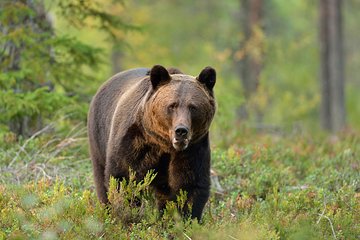
Image Showing Bear walking through a forest with sunlight streaming down(Source:Viator)
Major Types of Bears
1. Brown Bear (Includes Grizzly Bear)
One of the most widespread bears. Known for strength and thick brown fur.

Image showing Brown Bear standing on hind legs in a forest(Source:StockCake)
Key Facts:
- Weight: Up to 600 kg (1,300 lbs)
- Habitat: North America, Europe, and Asia
- Diet: Omnivore, it eats meat, berries, fish, roots
- Temperament: Powerful but avoids humans
2. Polar Bear
The largest land carnivore, built for cold and ice. Lives in the Arctic.
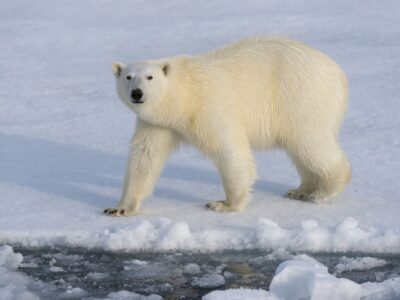
Image Showing Polar Bear walking on snowy ice near water(Source: Smithsonian Magazine)
Key Facts:
- Color: White fur for camouflage
- Weight: Up to 700 kg (1,540 lbs)
- Diet: Seals and fish
- Swimmers: Excellent swimmers; can go miles in icy water
3. American Black Bear
A smaller, forest-dwelling bear found mostly in the U.S. and Canada.
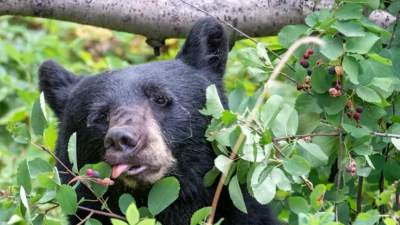
Image Showing Black Bear eating berries in a green forest(Source:BeCause Tees)
Key Facts:
- Color: Black, brown, or even blonde
- Diet: Berries, insects, fish, and small animals
- Behavior: Shy, climbs trees to escape danger
- Common near human areas
4. Giant Panda
A special bear species known for its love of bamboo and peaceful nature.

Image Showing Giant Panda sitting and eating bamboo(Source:UKposters)
Key Facts:
- Color: Black and white fur
- Habitat: China’s bamboo forests
- Diet: 99% bamboo
- Status: Protected and treasured worldwide
Physical Characteristics
- Strong build with big heads, sharp teeth, and powerful limbs
- Excellent smell, even better than dogs
- Thick fur for warmth
- Sharp claws for digging, climbing, or catching prey
- Large paws help them walk quietly despite size
Most bears walk on all fours but can stand upright for short moments.
Behavior and Lifestyle
Bears are mostly solitary and come together only during mating season or when mothers raise cubs. They are active in the day or at night depending on the species and surroundings.
- Hibernate: In cold climates, some bears sleep for months in winter
- Highly intelligent: Bears remember food sources and routes
- Protective: Mothers are very caring and defensive of cubs
- Communicate: Through growls, scents, body posture
Fun Facts
- Bears can run up to 50 km/h, faster than most people think.
- Some bears, like pandas, spend up to 14 hours a day eating.
- Cubs stay with their mothers for up to 2 years.
- Polar bears have black skin under white fur to absorb heat.
- Bears have great memory and can remember food locations for years.
Importance to Humans
Bears are admired in stories, cartoons, and cultures. They symbolize strength, bravery, and sometimes motherhood.
- Ecological role: Spread seeds and control animal populations
- Tourism: Attract wildlife lovers and photographers
- Cultural symbols: Used in traditional art and folklore
- Threats: Sometimes seen as dangers near human homes or farms
In truth, bears usually avoid people and only attack when threatened or hungry.
Health & Common Issues
In the wild or captivity, bears can face health challenges:
Common Problems:
- Injuries from fights, hunting traps, or road accidents
- Tooth decay from human food
- Obesity in zoos due to overfeeding
- Parasites like ticks and worms
- Skin infections if habitats are unclean
Veterinary Needs (especially in captivity):
- Balanced diet and space to roam
- Enrichment (toys, challenges) to avoid boredom
- Dental checks
- Regular health exams and parasite control
Conservation Status
Some bear species are thriving, but others are endangered or at risk due to:
- Habitat loss from farming and urban growth
- Illegal hunting for bear parts (e.g. gall bladders, fur)
- Climate change (melting ice threatens polar bears)
- Conflict with humans in rural areas
Conservation Actions:
- Protected forests and wildlife parks
- Anti-poaching laws
- Public education about bears
- Global panda breeding and protection programs
Bears are strong, smart, and beautiful animals that deserve respect—not fear. From snowy lands to green forests, they help keep nature in balance. Whether it’s the quiet panda or the mighty polar bear, every bear plays a special role on Earth.
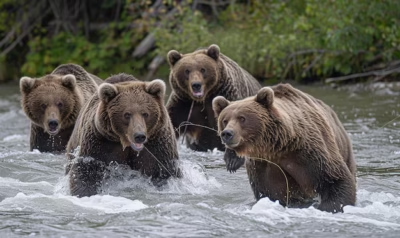
Image Showing Bear family crossing a stream in the wild(Source:Freepik)
Want to report a wildlife issue or learn more about wild animals? 📞 Call Doctor Hulk Veterinary Hospital Today @ 08143397614. We care for creatures big, small, furry or fearsome.


Reviews
There are no reviews yet.