



Buffaloes are large, strong animals known for their horns, loyalty to the herd, and calm strength. In Africa, the most famous type is the African Buffalo, also known as the Cape Buffalo. These animals are respected for their bravery, unity, and ability to survive even in tough environments. Though calm when left alone, buffaloes can be fierce when threatened.
Scientific Classification
- Kingdom: Animalia
- Phylum: Chordata
- Class: Mammalia
- Order: Artiodactyla
- Family: Bovidae
- Genus: Syncerus
- Species: Syncerus caffer
There are four subspecies of African buffalo:
- Cape Buffalo (S. c. caffer). They are the most common and largest
- Forest Buffalo (S. c. nanus). They are smaller and reddish
- Sudan Buffalo (S. c. brachyceros)
- Nile Buffalo (S. c. aequinoctialis)
Common Names
- African Buffalo
- Cape Buffalo
- Forest Buffalo
- “Buru” (Hausa)
- “Ehoro aginju” (Yoruba)
- “Nyati” (Swahili)
Geographic Distribution
Buffaloes are found across sub-Saharan Africa, especially in:
- Savannas and grasslands
- Forests (especially forest buffalo)
- Swamps and river valleys
They are especially common in:
-
Kenya, Tanzania, South Africa, Uganda, Nigeria, Cameroon, and the DRC
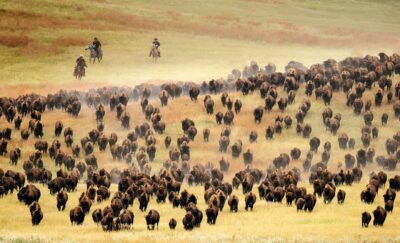
Image Showing A large herd of buffalo grazing in open grassland(Source:South Dakota)
Physical Characteristics
Buffaloes have a stocky body, short legs, and a thick, curved set of horns.
- Color: Dark brown to black (Cape buffalo); reddish (forest buffalo)
- Horns: Heavy, curved horns that join in the middle (boss) in males
- Size: Up to 1.7 meters at the shoulder
- Weight: 500 to 900 kg (1,100 to 2,000 lbs)
- Lifespan: 18–25 years in the wild
Males are usually larger than females and have thicker horns.
Behavior and Lifestyle
Buffaloes are highly social animals that live in herds, sometimes numbering in the hundreds.
- Strong herd loyalty. They protect each other
- When one is attacked, others often fight back to defend it
- They spend most of the day grazing and stay near water
- Rest under shade during hot afternoons
- Communicate using grunts, snorts, and body posture
Old males sometimes leave the herd and live alone or in small bachelor groups.
What Do Buffaloes Eat?
Buffaloes are herbivores, and they mostly graze on:
- Grasses
- Water plants
- Occasionally leaves and shrubs during dry seasons
They need a lot of water daily and are often seen near rivers or swamps.
Fun Facts
- Buffalo herds have been known to chase off lions to protect members.
- Their horns can weigh up to 15 kg (33 lbs).
- Buffaloes are one of the “Big Five” animals in Africa.
- Despite their size, they can run at 50 km/h (31 mph) when alarmed.
- They use mud baths to keep cool and protect against insects.
Importance to Humans
Buffaloes are part of many African traditions and play roles in:
- Cultural stories and symbols of strength and courage
- Tourism, a favorite sight for safari-goers
- Hunting (legally in some areas for meat and trophies)
- Livelihoods, some people keep buffaloes in reserves for income
They are not domesticated, unlike water buffaloes in Asia.
Health & Common Issues
Buffaloes can suffer from diseases, especially when near livestock.
Common Health Risks:
- Bovine tuberculosis
- Foot-and-mouth disease
- Ticks and tick-borne diseases
- Trypanosomiasis (sleeping sickness)
- Wounds from fights or predators
Veterinary Needs (especially in reserves):
- Routine monitoring for disease
- Tick control using dips or sprays
- Quarantine if mixing with livestock
- Wound care when injured
Conservation Status
The African buffalo is currently listed as Least Concern by the IUCN. But local populations are declining in some areas.
Main threats:
- Habitat loss from farming or human development
- Poaching for meat or trophies
- Diseases from livestock
- Human-wildlife conflict, especially near farms
Conservation Efforts Include:
- Protected national parks and reserves
- Anti-poaching patrols
- Wildlife education in communities
- Veterinary monitoring programs
Buffaloes are one of Africa’s strongest and most loyal animals. Whether grazing quietly or standing strong against danger, they show us the power of unity and protection. They may not look fast or flashy, but they play a powerful role in nature and deserve our respect.
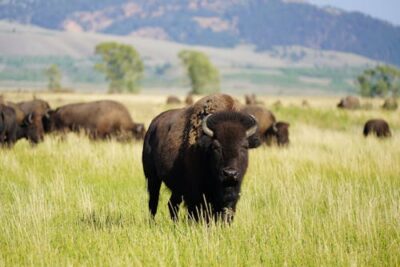
Image Showing Cape buffalo with horns curved upward, standing alert in the savanna(Source: Pexels)
Need advice on wildlife management or large animal care?
📞 Call Doctor Hulk Veterinary Hospital Today @ 08143397614. We provide professional care and guidance for animals of all sizes, wild or domestic.







Reviews
There are no reviews yet.