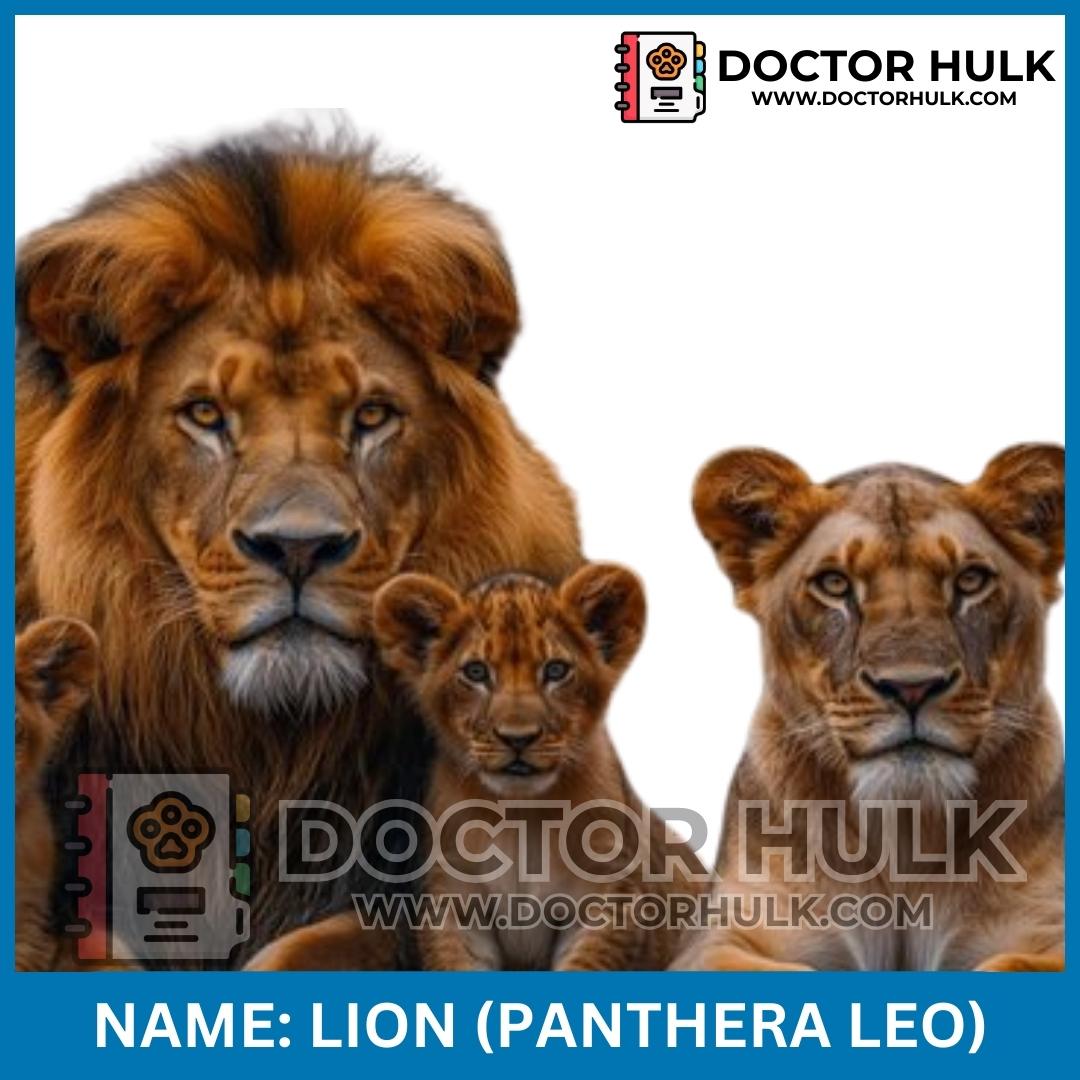


The Lion is one of the most famous animals in the world. Known as the “King of the Jungle”, this big cat lives mostly in Africa and some parts of India. Lions are strong, brave, and live in groups called prides. They are important in nature and in many cultures.
Scientific Classification
-
Kingdom: Animalia
-
Phylum: Chordata
-
Class: Mammalia
-
Order: Carnivora
-
Family: Felidae
-
Genus: Panthera
-
Species: Panthera leo
Common Names
-
Lion
-
African Lion
-
Asiatic Lion (for lions in India)
-
“King of the Jungle” or “Jungle King”
Geographic Distribution
Lions once lived in many parts of the world, but today they are mostly found in:
-
Sub-Saharan Africa (Tanzania, Kenya, South Africa, etc.)
-
India (Gir Forest – home to the last wild Asiatic lions)
They live in:
-
Grasslands
-
Open woodlands
-
Savannahs
-
Bushlands
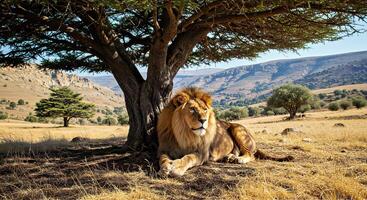 Image showing an adult male lion resting under a tree (Source: Vecteezy)
Physical Characteristics
-
Males: Big, with thick manes (long hair around the head)
-
Females: Smaller, no manes
-
Color: Golden brown coat
-
Weight: Males – up to 250 kg; Females – up to 180 kg
-
Height: About 1.2 meters at the shoulder
-
Tail: Long with a black tuft at the tip
Pride Life – Social Structure
Lions are the most social of all big cats. They live in groups called prides, usually made of:
-
1 to 3 adult males
-
Several females
-
Their cubs (babies)
The females do most of the hunting, while males protect the pride from outsiders.
What do Lions eat?
Lions are carnivores, meaning they eat meat. Their prey includes:
-
Antelopes
-
Buffalo
-
Zebras
-
Warthogs
-
Sometimes giraffes or baby elephants
They hunt in groups, mostly at night or early morning.
Fun facts about Lions
-
A lion’s roar can be heard up to 8 kilometers away.
-
Lions sleep up to 20 hours a day to save energy.
-
Females often give birth to 2–4 cubs at a time.
-
Lion cubs are born with spots, which fade as they grow.
-
The Asiatic lion is slightly smaller than the African lion and has a smaller mane.
Importance to Humans
Positive Roles:
-
Symbol of strength and royalty in many cultures
-
Important in tourism and wildlife conservation
-
Inspire books, movies (like The Lion King), and art
-
Help keep prey animal numbers in check
Negative Concerns:
-
May attack livestock in rural areas
-
Sometimes dangerous to humans when hungry or provoked
Health & Common Issues
In the wild, lions can suffer from:
-
Wounds from fights with other lions or prey
-
Infections like mange or feline diseases
-
Parasites like ticks and worms
-
Starvation during drought or food shortage
In captivity (zoos/reserves):
-
Obesity from lack of space or wrong diet
-
Dental problems from old age
-
Stress from small enclosures
-
Need for vaccinations and medical checkups
Conservation Status
-
African Lion: Vulnerable
-
Asiatic Lion: Endangered (only about 600 left in the wild)
Threats include:
-
Habitat loss
-
Poaching
-
Human-wildlife conflict
-
Loss of prey animals
Many parks like Serengeti, Kruger, and Gir Forest now protect lions.
Lion vs Tiger
| Feature | Lion | Tiger |
|---|---|---|
| Habitat | Africa, India | Asia only |
| Group Life | Lives in prides | Mostly lives alone |
| Mane | Males have manes | No mane |
| Size | Slightly smaller than tiger | Largest of the big cats |
| Sound | Loud roar heard far away | Deep growl or roar |
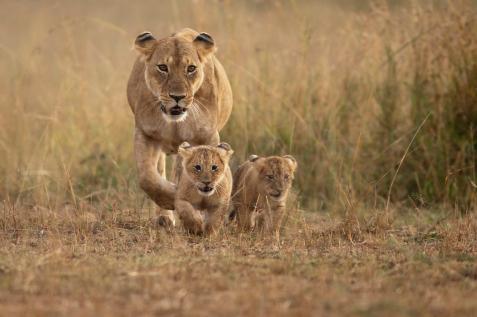 Image showing a lioness walking with her cubs in the early morning light (Source: Discovery)
If you need professional advice about wildlife or exotic animals, don’t hesitate to reach out to us at Doctor Hulk Veterinary Hospital or simply call 08143397614.