
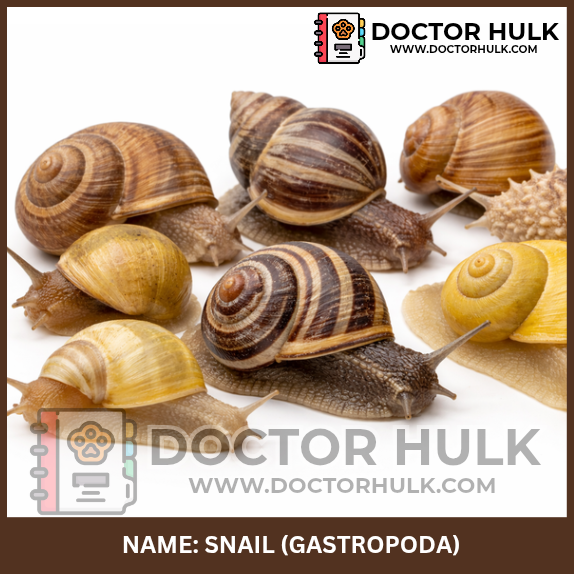

A snail is a small, slow-moving mollusk, best known for its spiral-shaped shell that it carries on its back. There are many different types of snails, from the land-dwelling ones you might see in your garden to the aquatic ones that live in lakes, ponds, and oceans. They have soft, squishy bodies and a foot (a muscular part of their body) that helps them slide along surfaces.
Snails are herbivores, meaning they mostly eat plants, algae, or decaying organic matter. They use a special structure called a radula (a tongue-like organ with tiny teeth) to scrape food off surfaces. If you’ve ever seen a snail munching on a leaf, that’s likely what it’s doing, using its radula to scrape and consume plant material.
Scientific Classification
-
Kingdom: Animalia
-
Phylum: Mollusca
-
Class: Gastropoda
There are thousands of snail species around the world, living on land, in freshwater, and in the sea. The ones most people see are land snails, which breathe air and move slowly on a muscular foot.
Common Names
-
Snail (general name)
-
In Yoruba: Igbin
-
In Igbo: Ejula
-
In Hausa: Kunkuru
In many cultures, snails are seen as symbols of patience, slowness, or even delicacy in food.
Geographic Distribution
Snails can be found almost everywhere on Earth:
-
Gardens and farms
-
Rainforests
-
Wetlands
-
Cities and backyards
In Nigeria, the African Giant Snail is well known and often raised for food and business.
Physical Characteristics
Snails have some amazing features despite their size:
-
Shell: A spiral-shaped shell that protects their soft body
-
Tentacles: Two pairs , one for sight, one for smell
-
Slime: Mucus that helps them move smoothly and stay moist
-
Foot: A strong, flexible muscle they use to glide
 Image showing an African land snail crawling over green leaves (Source: Pexels)
Major species of Snails
1. African Giant Land Snail (Achatina achatina)
One of the largest snail species in the world!
-
Size: Can grow over 20 cm long
-
Color: Brown shell with stripes
-
Diet: Leaves, fruits, vegetables, and decaying matter
-
Use: Popular in farming for food and export
Image showing an African giant snail next to a hand for size comparison (Source: Reddit)
2. Garden Snail (Cornu aspersum)
A common sight after rainfall in many gardens.
-
Size: Small to medium
-
Shell: Round and brown with spiral pattern
-
Active: Especially after rain or in cool weather
-
Diet: Plants, flowers, and fallen fruit

Image showing a garden snail on a flower petal (Source: Pinterest)
Fun facts about Snails
-
Snails have no bones, their shell is their only hard part.
-
They move using one long foot that contracts in waves.
-
Some snails can hibernate during dry seasons.
-
A snail’s teeth are on its tongue, and they can number in the thousands.
-
Snails lay eggs in moist soil and can live for several years.
Importance to Humans
-
Snails help break down dead plants, returning nutrients to the soil.
-
They’re part of the food chain, feeding birds, reptiles, and humans.
-
In Nigeria and beyond, snails are a source of protein-rich food.
-
Snail farming (heliciculture) provides income for many people.
-
Snail slime is even used in some cosmetics for skin care.
Health & common issues
Snails face a few dangers in the wild and in farms:
-
Dry weather or sunlight can dry them out — they need moisture to live.
-
Salt is harmful and can kill snails by dehydration.
-
Predators include birds, frogs, lizards, and even humans.
-
Pesticides and chemicals in gardens can poison snails.
If you farm snails, be sure to give them shade, humidity, and soft soil. For injured snails, contact a vet experienced in exotic animals, like Dr. Hulk Veterinary Hospital.
Conservation & sustainable use
While snails are not endangered, overharvesting and loss of habitat can reduce wild populations. Responsible snail farming helps protect wild species and supports local economies.
Protecting green spaces, reducing chemical use, and farming sustainably are great ways to help.
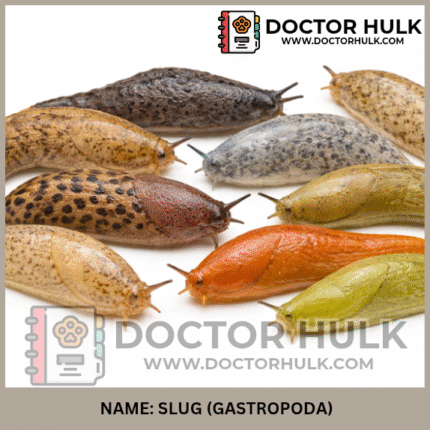
Snail vs Slug
| Feature | Snail | Slug |
|---|---|---|
| Shell | Yes (external spiral shell) | No external shell |
| Movement | Slow and slimy | Slow and slimy |
| Moisture Need | High | Very high |
| Seen in | Gardens, forests | Gardens, damp woodlands |
| Defense | Hides in shell | Hides under leaves or logs |
For help with snails or other animal care, you can reach out to us at Doctor Hulk Veterinary Hospital, or call 08143397614.
Reviews
There are no reviews yet.