
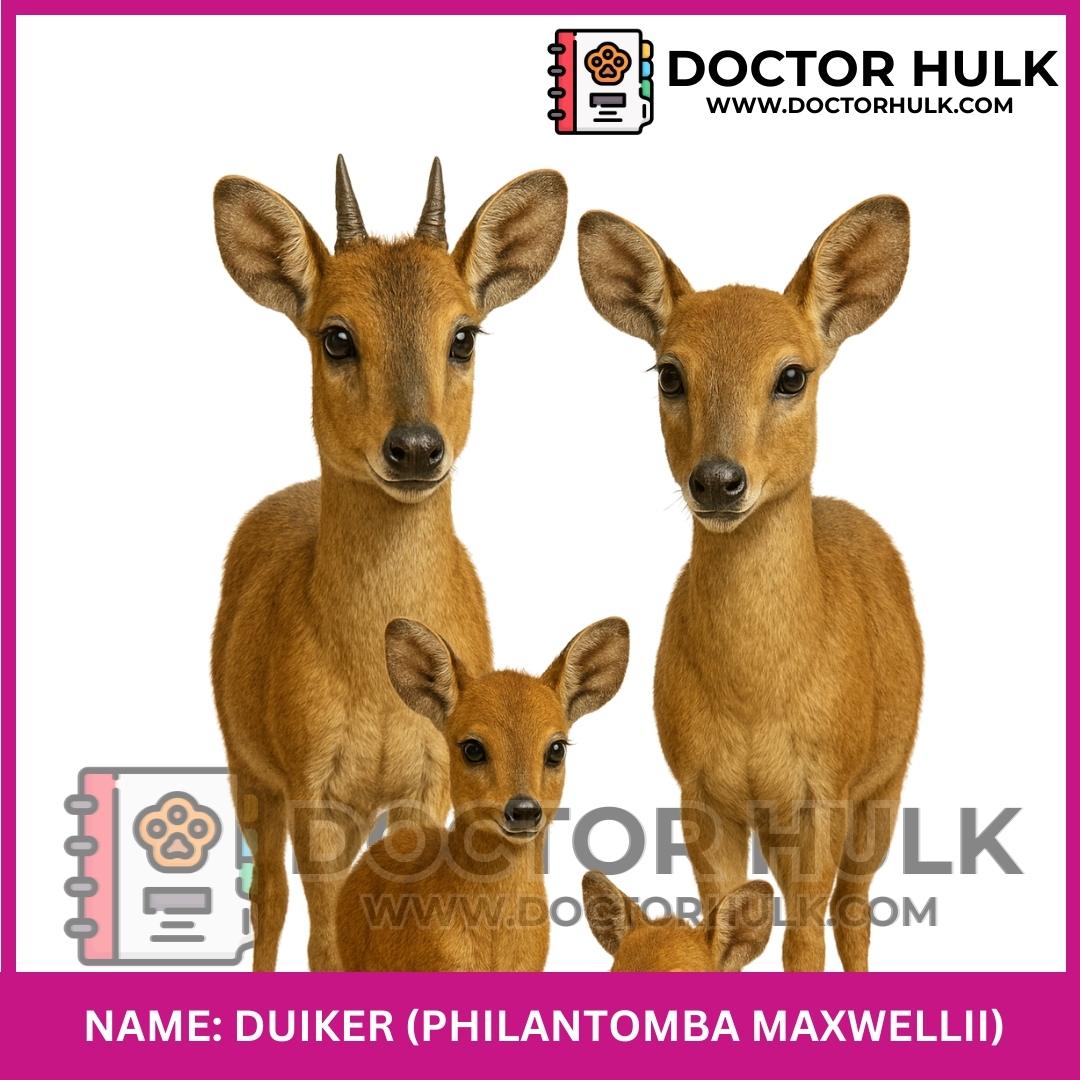
The duiker is a small, shy antelope found in forests and grasslands across Africa. Though often overlooked, duikers are an important part of the wild. They are fast runners, excellent hiders, and helpful in keeping the environment balanced.
Scientific Classification
-
Kingdom: Animalia
-
Phylum: Chordata
-
Class: Mammalia
-
Order: Artiodactyla
-
Family: Bovidae
-
Subfamily: Cephalophinae
-
Common Genera: Cephalophus, Sylvicapra, Philantomba
There are over 20 different species of duiker, ranging from tiny to medium in size.
Common Names
-
Duiker
-
“Olu” or “Okete” (Yoruba)
-
“Kuru” (Hausa)
-
“Nzo” (Igbo)
-
“Forest antelope” (nickname in English)
The word duiker comes from the Dutch word meaning “diver,” because of how it dives into bushes when scared.
Geographic Distribution
Duikers are found in many parts of Sub-Saharan Africa, especially:
-
Thick rainforests
-
Savannas and grasslands
-
Wooded farms and bush paths
-
Forest edges near villages
They are more common in West, Central, and Southern Africa.
 Image showing forest duiker standing quietly (Source:iStock)
Physical Characteristics
Duikers vary in color, size, and horn shape, but they all share:
-
Short legs and a round body
-
Small horns (in males, sometimes females)
-
Large, dark eyes and ears
-
Tail flicks when nervous or alert
They usually stand 40–70 cm tall and weigh between 5 to 30 kg, depending on the species.
Common Types of Duiker
1. Blue Duiker (Philantomba monticola)
One of the smallest antelopes in the world. Found in forests.
 Image showing Small blue duiker sniffing the forest floor(Source:Shutterstock)
Key Facts:
-
Size: 30–40 cm tall
-
Color: Bluish-grey
-
Shy and quiet
-
Eats fallen fruits and leaves
2. Bush Duiker (Sylvicapra grimmia)
Also called the grey duiker, it lives in grasslands and woodlands, not just forests.
 Image showing Bush duiker standing near tall grass(Source:iStock)
Key Facts:
-
Size: 50 cm tall
-
Color: Brown or grey
-
Lives alone or in pairs
-
Adaptable to farm edges and open areas
Diet and Behavior
Duikers are mostly herbivores, eating:
-
Leaves, fruits, and shoots
-
Tree bark and seeds
-
Sometimes insects or small animals (rare)
They are active early in the morning or late in the evening, and hide during the day.
Duikers live alone or in pairs, and they defend their space. They are good at running and hiding quickly.
Fun Facts
-
Some duiker species are so small, they can fit in a shopping bag.
-
Duikers have a strong sense of smell and will freeze or dive into bush when threatened.
-
The blue duiker can live up to 10 years in captivity.
-
Though shy, duikers can make loud snorting or barking sounds when afraid.
-
Duikers help clean the forest floor by eating fallen fruits and leaves.
Importance to Humans
Duikers have both positive and negative roles for people:
Positives:
-
Help control vegetation in forests
-
Feed on leftover farm waste and fallen fruits
-
Popular in wildlife parks and eco-tourism
-
Some communities use them in traditional practices or folklore
Negatives:
-
Sometimes eat farm crops like yams or cassava
-
Hunted heavily for bushmeat, reducing their numbers
Many local hunters call them “easy targets” due to their size, making them vulnerable.
Health & Common Issues
Duikers are hardy animals but still need veterinary attention in reserves, farms, or zoos.
Common Health Concerns:
-
Parasites like ticks and worms
-
Stress-related illness from captivity or relocation
-
Injury from traps or predators
-
Nutritional deficiencies if diet isn’t varied
Care Needs (if kept in reserves):
-
Safe, quiet shelter
-
A natural diet with fresh greens and fruit
-
Regular deworming and health checks
-
Avoid loud noise and handling
Conservation Status
Some duiker species are abundant, but others are threatened or endangered due to:
-
Deforestation and habitat loss
-
Overhunting for bushmeat
-
Human settlement in wild areas
Conservation Efforts Include:
-
Wildlife protection laws
-
Eco-tourism and awareness programs
-
Forest reserve development
-
Banning illegal hunting and bush burning
Comparison: Duiker vs Antelope
| Feature | Duiker | Common Antelope |
|---|---|---|
| Size | Small to medium | Medium to large |
| Habitat | Forests & bushland | Open plains, grasslands |
| Social life | Mostly solitary | Often in herds |
| Movement | Dives into bush to hide | Runs fast in open land |
| Horns | Short, often backward | Long, curved or twisted |
Summary
Duikers are small but special animals that play an important role in African nature. From their quiet lives in the forest to their careful feeding habits, duikers help keep the environment healthy. With more protection and understanding, these shy antelopes can continue to live peacefully for years to come.
💡 Do you work in conservation, animal farming, or want to learn more about duiker health?
📞 Contact Doctor Hulk Veterinary Hospital Today @ 08143397614.

Reviews
There are no reviews yet.