
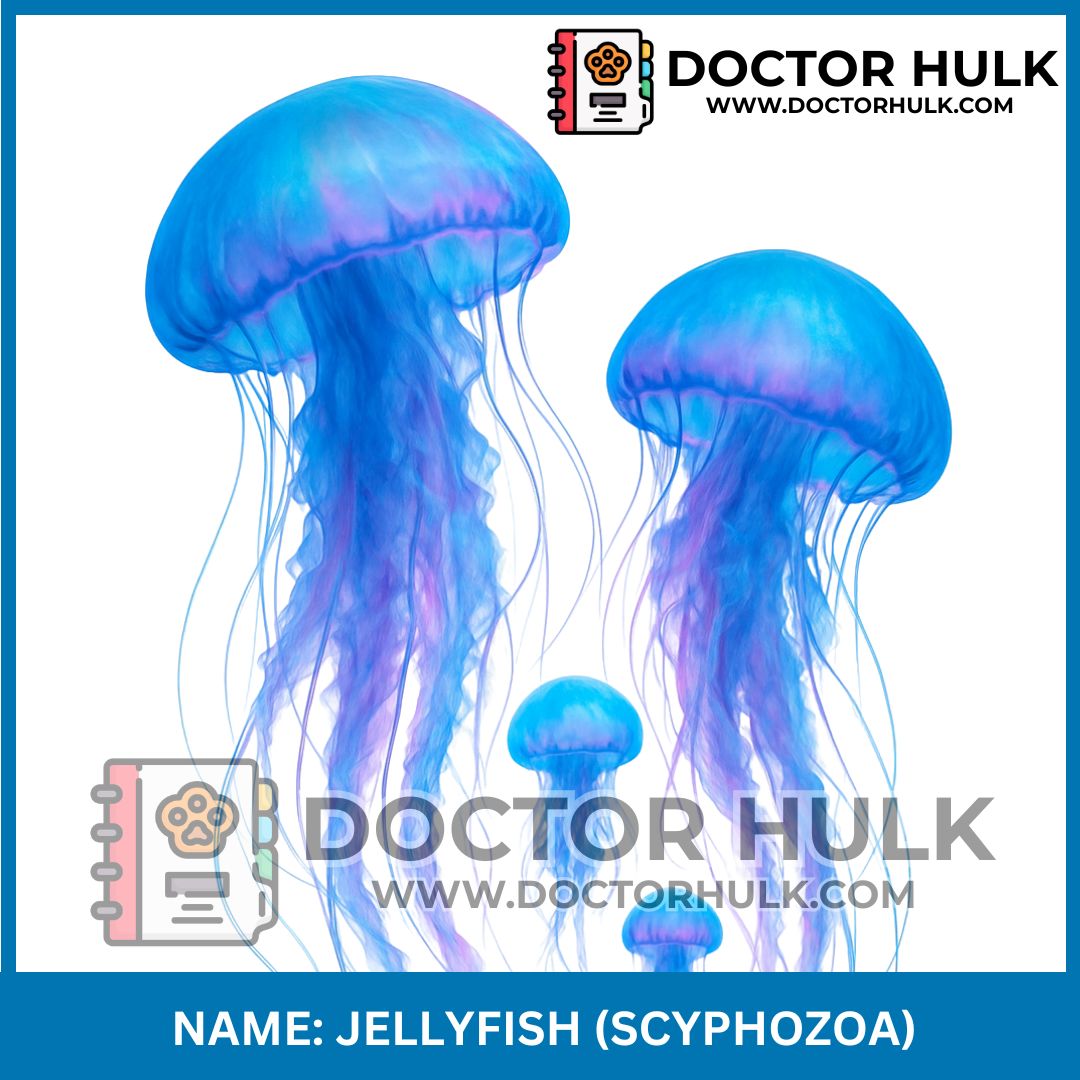
The jellyfish is a soft, see-through animal that lives in oceans around the world. It looks like a floating umbrella with long, hanging tentacles. Even though it has no bones, brain, or heart, it can swim, sting, and survive in deep and shallow water.
Scientific Classification
-
Kingdom: Animalia
-
Phylum: Cnidaria
-
Class: Scyphozoa (true jellyfish)
-
Order: Various
-
Common Species: Moon jellyfish (Aurelia aurita), Box jellyfish (Chironex fleckeri), Lion’s mane jellyfish
Common Names
-
Jellyfish
-
Sea jellies
-
Jellies
-
Medusa (in scientific terms)
Geographic Distribution
Jellyfish are found in:
-
All oceans — Atlantic, Pacific, Indian, Arctic, and Southern
-
From surface waters to deep sea
-
Some can even live in brackish or slightly salty water
 Image showing Transparent jellyfish floating close to the ocean surface(Source:Marine Conservation Society:
Physical Characteristics
-
Body Shape: Round, bell-shaped like an umbrella
-
Size: From 1 cm to 2 meters wide (or more!)
-
Tentacles: Long, soft arms that hang down — used for stinging prey
-
Color: Clear, bluish, pink, yellow, or even glowing (bioluminescent)
-
Movement: Pulses gently in water — pushed by ocean currents
Types of Jellyfish
1. Moon Jellyfish
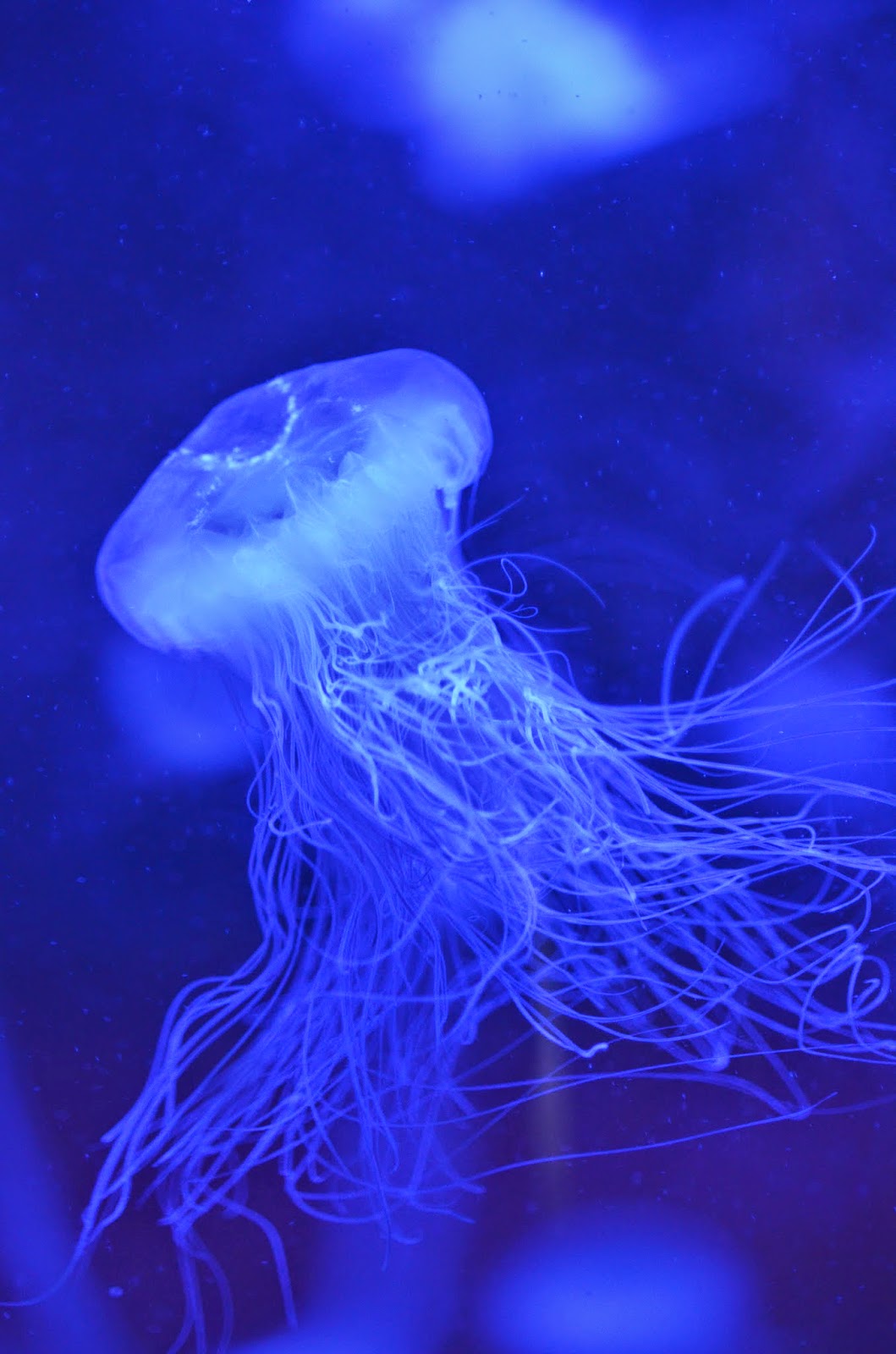
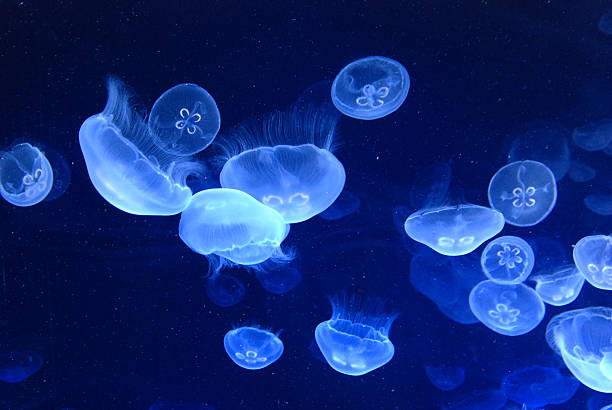 Image Showing soft, glowing moon jellyfishes in blue water(Source:iStock)
-
Common in aquariums and oceans
-
Mild sting — safe to watch
-
Beautiful and slow-moving
2. Box Jellyfish
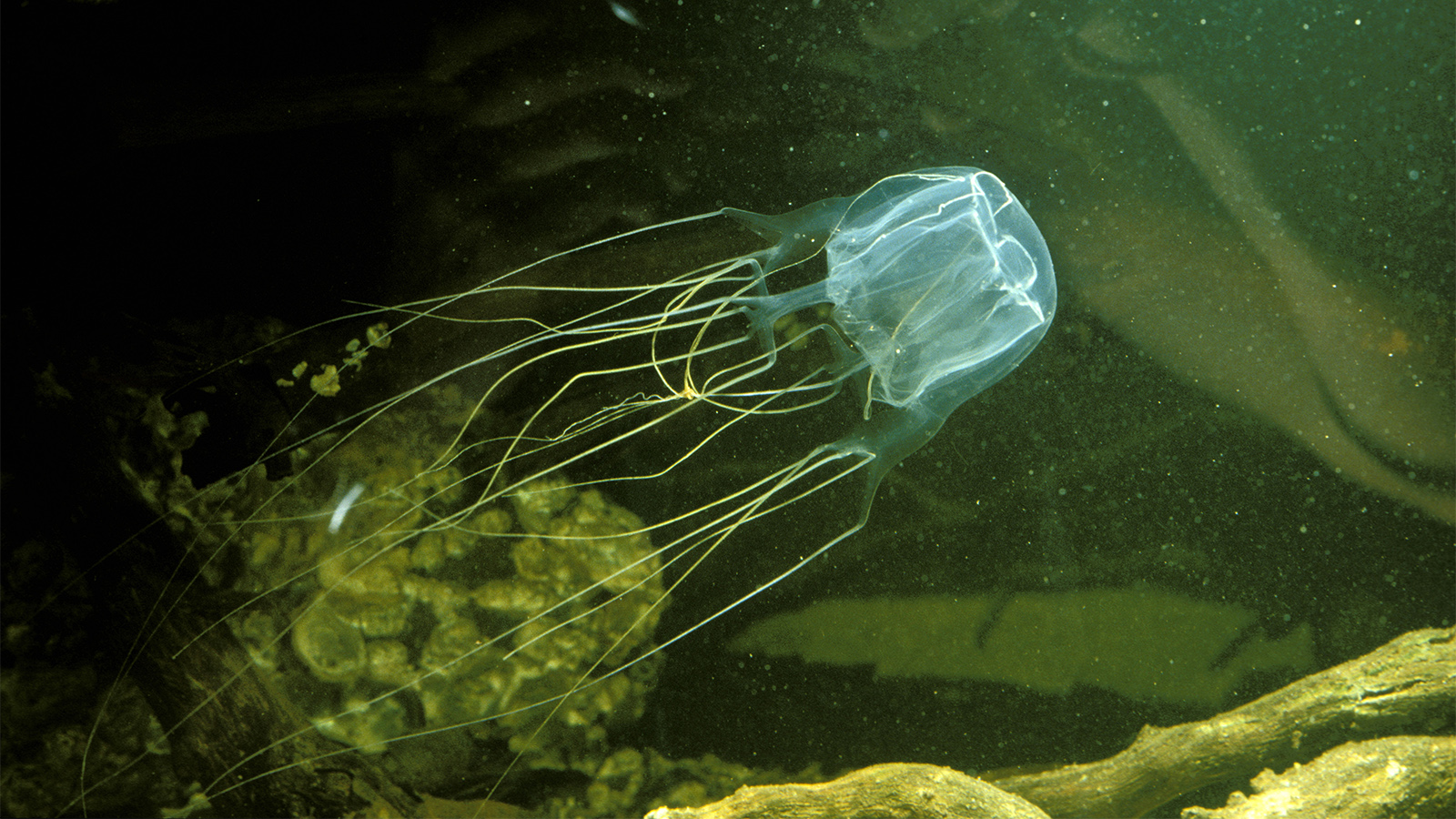 Image showing Box-shaped jellyfish in tropical water(Source:Getty images)
-
Found in Australia and Asia
-
Very dangerous — powerful sting
-
Can move quickly to hunt or escape
3. Lion’s Mane Jellyfish
Image showing a Huge jelly with flowing, hair-like tentacles(Source:Virginia Living Museum)
One of the largest jellyfish in the world
-
Can have tentacles over 30 meters long
-
Lives in cold waters
What Do Jellyfish Eat?
Jellyfish are carnivores. They feed on:
-
Small fish
-
Shrimp and other tiny sea animals
-
Plankton
-
Sometimes baby crabs
They use their tentacles to sting and pull food into their mouth.
Fun Facts About Jellyfish
-
Jellyfish have no bones, no heart, and no brain!
-
Some jellyfish glow in the dark underwater (bioluminescence).
-
A jellyfish’s body is about 95% water.
-
The box jellyfish is one of the most venomous animals on Earth.
-
A species called Turritopsis dohrnii is called “the immortal jellyfish” because it can live forever by restarting its life cycle!
Importance to Humans
Positive Roles:
-
Help scientists study nerve and cell functions
-
Some species are used in medicine research
-
In some countries, jellyfish are eaten as food
-
Keep balance in the ocean by eating fish larvae
Challenges:
-
Jellyfish stings can hurt or be deadly (especially box jellies)
-
Large jelly swarms can block fishing nets or damage power stations
Health & Common Issues (in Rescue or Captivity)
Note: Jellyfish don’t live long in captivity unless water quality is perfect.
Common Challenges in Aquariums:
-
Sensitive to water changes
-
Can get stuck on tank filters
-
Must be fed live or floating food
-
Tentacles can damage each other in small spaces
Jellyfish Stings (Human Concerns):
-
Can cause pain, redness, swelling
-
Some species cause muscle cramps or breathing trouble
-
First aid: Rinse with vinegar, don’t rub, seek help if severe
Conservation Status
-
Most jellyfish are not endangered
-
In fact, some are growing in number due to:
-
Overfishing (fewer predators)
-
Polluted water (they can survive in poor conditions)
-
Warming oceans
-
Still, their population growth can harm fish farming and tourism in some areas.
Jellyfish vs Octopus
| Feature | Jellyfish | Octopus |
|---|---|---|
| Skeleton | No bones | No bones |
| Brain | No brain | Has a brain and 9 mini-brains |
| Tentacles | Many, thin and stingy | 8 thick arms with suckers |
| Movement | Floats with water pulses | Swims and crawls actively |
| Danger Level | Some very dangerous | Rarely harmful to humans |
Summary
The jellyfish is a soft and silent ocean drifter, full of mystery and wonder. Though it has no brain or bones, it survives and even glows with beauty in the deep sea. Some are harmless, some are deadly — but all of them remind us how strange and amazing nature can be.
 Image showing glowing jellyfish under blue light in deep sea (Source: pngtree)
In case you need marine animal advice, sting first-aid, or wildlife support, you can visit us at Doctor Hulk Veterinary Hospital or call 08143397614.
Reviews
There are no reviews yet.