
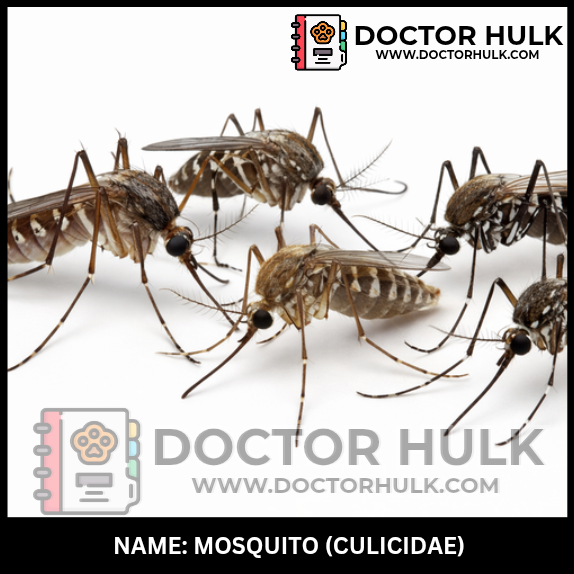
Mosquitoes are tiny flying insects that are all-too-familiar, especially when they buzz by at dusk. Only the females bite, using the blood meal to make eggs. Most adults live just a few weeks, but during that time, they can spread illnesses and be a real annoyance.
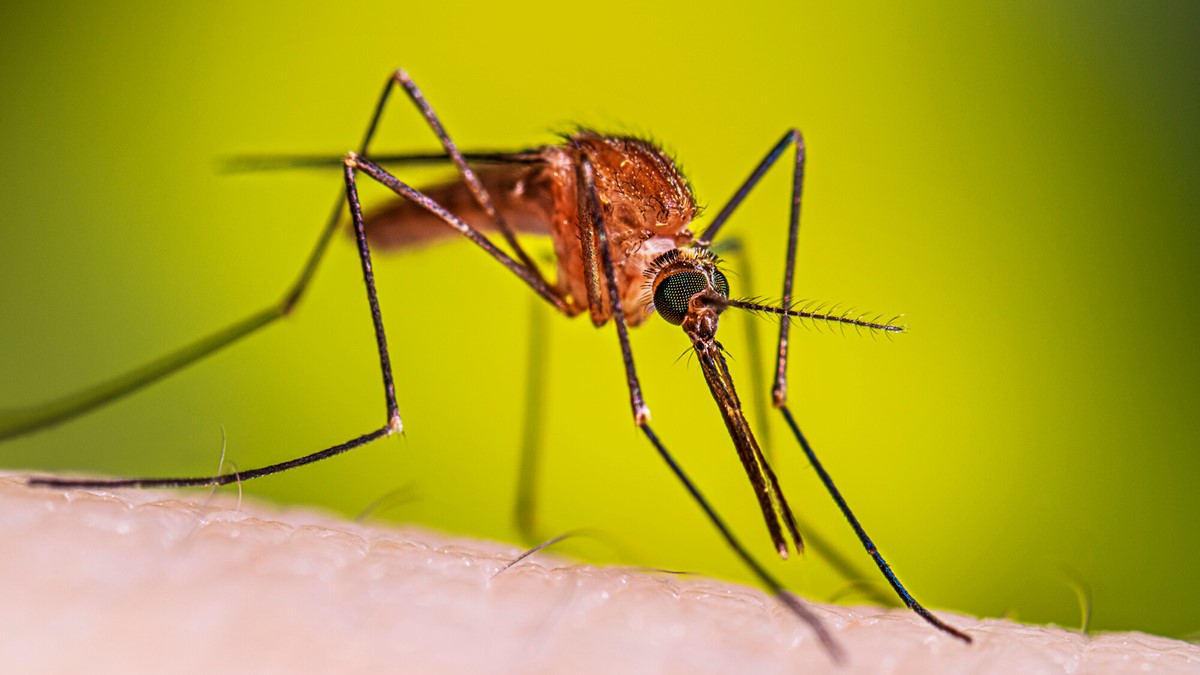
Image showing a female anopheles mosquito landing on human skin to suck blood (Source: CDC)
Scientific classification
- Kingdom: Animalia
- Phylum: Arthropoda
- Class: Insecta
- Order: Diptera
- Family: Culicidae
Physical characteristics
- Mosquitoes range from 3 to 6 mm long.
- They are slender, with long legs, narrow wings, and one pair of halteres (tiny balancing organs).
- Their bodies and wings are often covered in scales.
- Female mosquitoes have a needle-like proboscis for piercing skin and drawing blood, while males lean on plant juices and nectar.
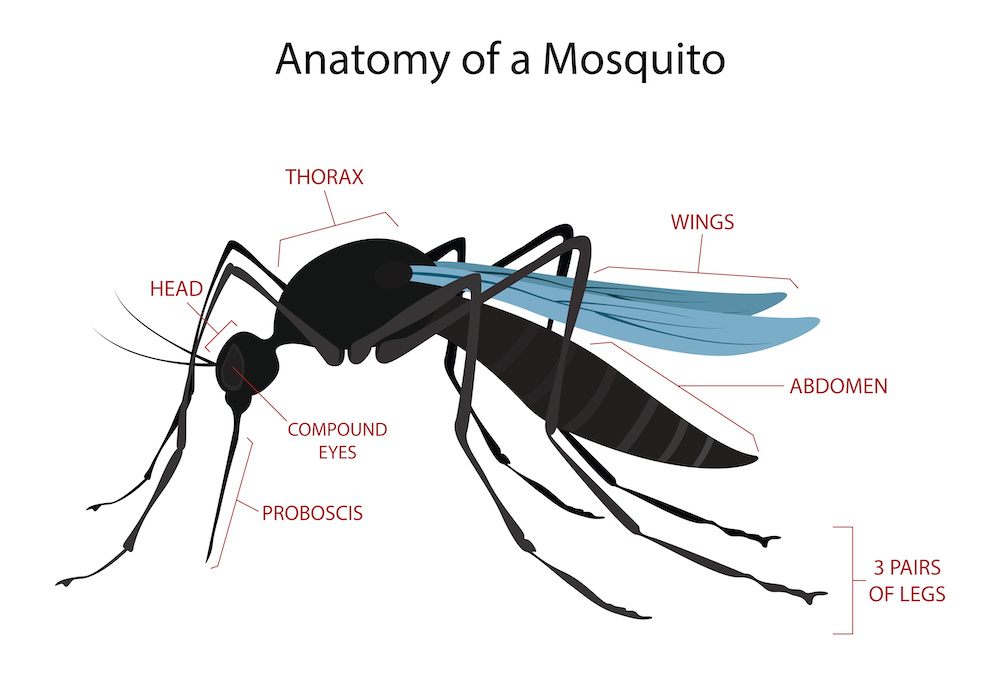
Image showing the anatomy of a Mosquito (Source: )
Habitat and distribution
- They turn up almost anywhere people live, tropical, temperate, and in mild cold areas.
- Their eggs need just a little water to hatch, that is why places with containers, gutters, or pooled water usually end up as mosquito magnets.
Diet and feeding habits
- Both sexes sip nectar or fruit juices for their energy, but only the female bites and that’s because she needs protein for her eggs.
- The female feed on humans, and can also bite other mammals, birds, or reptiles depending on the species.

Image showing a male mosquito landing on a plant to sip (Source: Earthkind)
Life cycle and reproduction
- Mosquitoes go through four stages (egg, larva, pupa, then adult).
- Eggs are laid in or near water.
- Larvae wiggle in the water, feeding on tiny particles.
- Pupae are not feeding, they are getting ready to emerge as adults.
- The whole process can take as little as a few days or go on for a month, depending on the conditions.
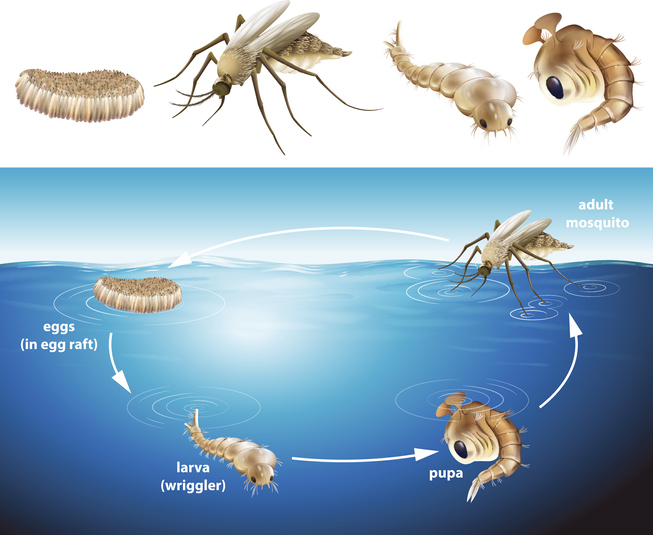
Image showing the life cycle of mosquito (Source: Mosquito hero)
Behavior and adaptations
- They find humans by odor – carbon dioxide, body heat, even certain scents in sweat. That’s how they come in so fast.
- Some species, like the Asian tiger mosquito, are active by day and good at using very small water spots to breed.
Ecological importance
- Mosquito larvae feed on microorganisms in water and are food for fish and aquatic insects.
- Adults feed many animals, including birds and bats. Some species visit flowers and can transfer pollen.
- Their abundance links aquatic and terrestrial food webs in warm months.
All known species or breeds
There are thousands of mosquito species. Below are medically and veterinary important groups you are most likely to meet or hear about, with quick facts and images.
!. Aedes aegypti: They are commonly found in tropical and subtropical regions; 3 to 4 mm; black with white leg bands and a lyre-shaped thorax pattern; vector of dengue, yellow fever, Zika, chikungunya.
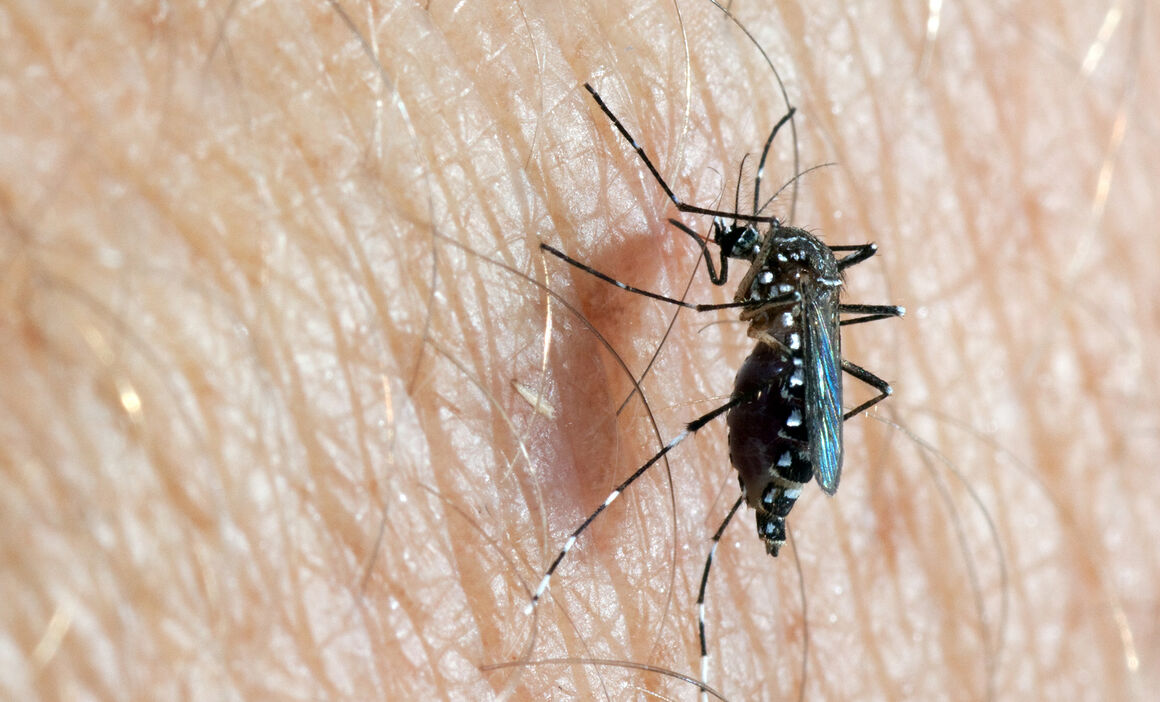
Image showing Aedes aegypti (Source: European Centre for Diseases Control)
2. Aedes albopictus (asian tiger mosquito): They are commonly invasive in many temperate areas; 2 to 10 mm; bold black-and-white stripes; bites outdoors during the day; can transmit dengue and chikungunya.
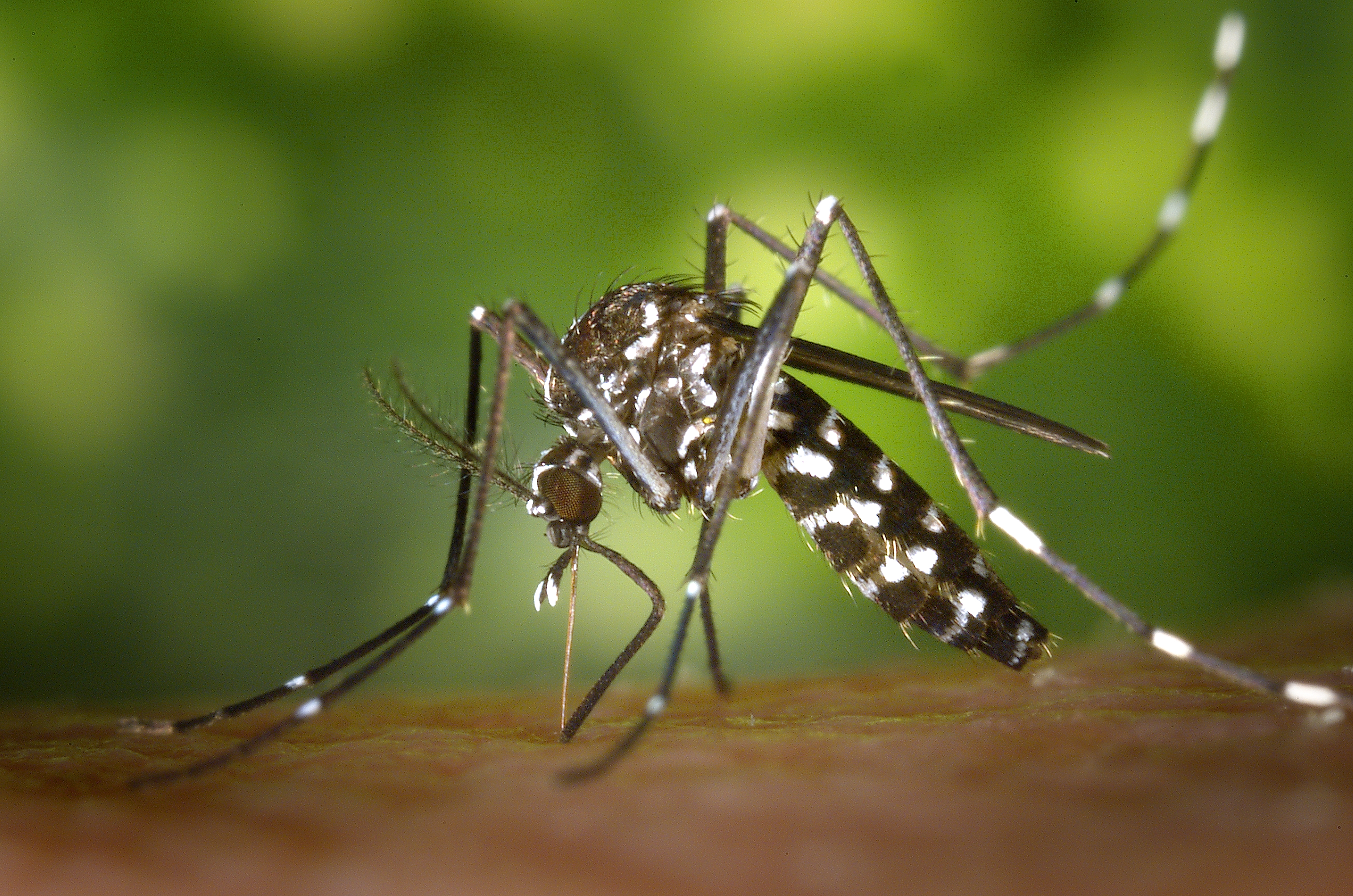
Image showing Aedes albopictus (Source: James Gathany, CDC)
3. Anopheles gambiae complex: They are commonly found in sub-Saharan Africa; 3 to 4 mm; major malaria vectors; adults rest at an angle to the surface.
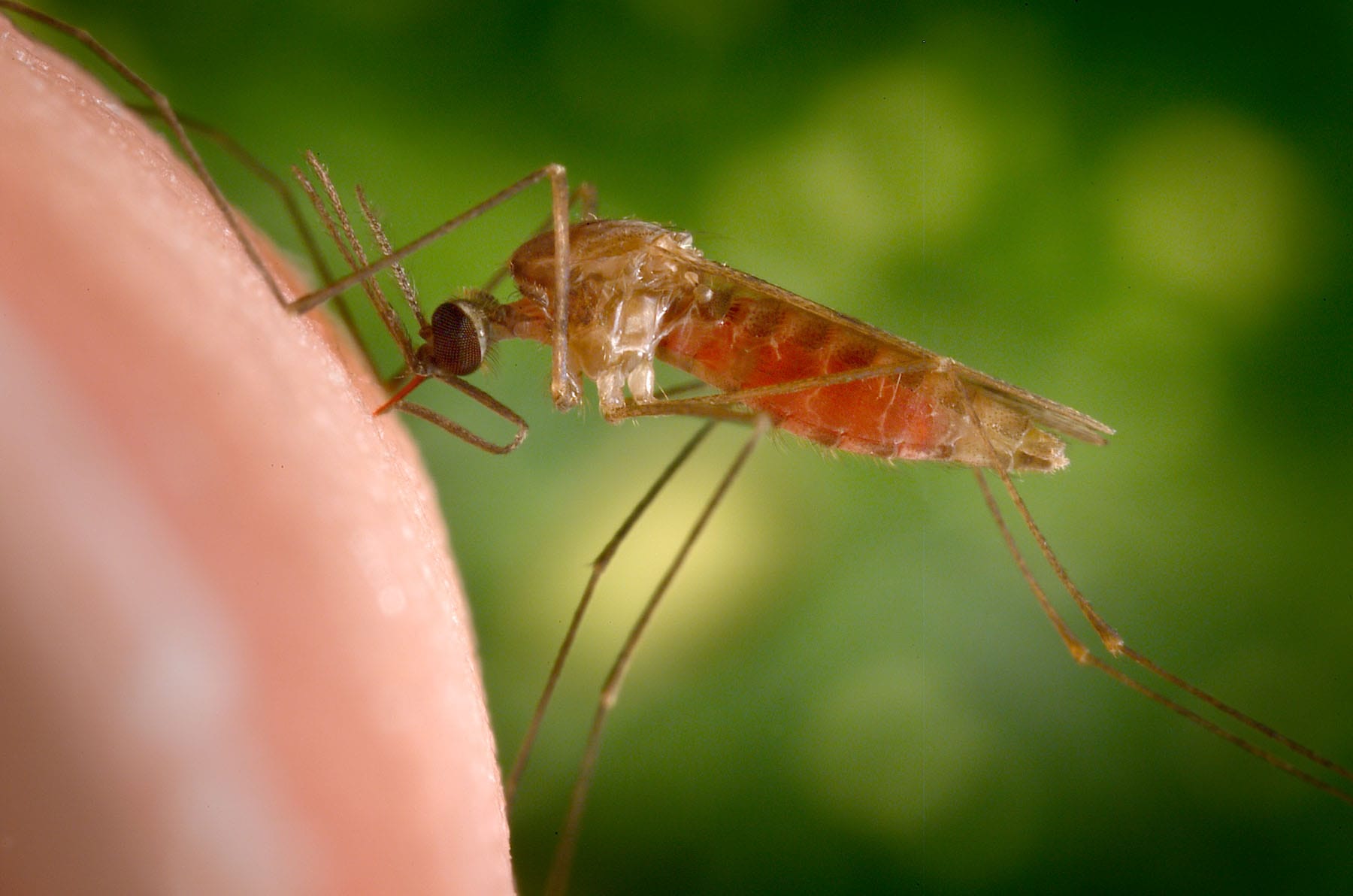
Image showing Anopheles gambiae (Source: Malaria GEN)
4. Anopheles funestus: They are commonly found in Africa; they are malaria vector in many regions; prefers permanent water with vegetation.
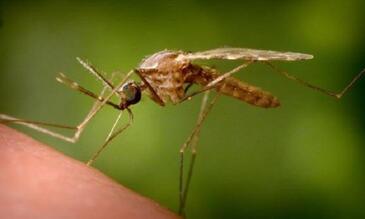
Image showing the Anopheles funestus (Source: Liverpool Insect Testing Establishment)
5. Anopheles stephensi: They are commonly found in South Asia and expanding in parts of Africa; urban breeder linked to malaria in cities.
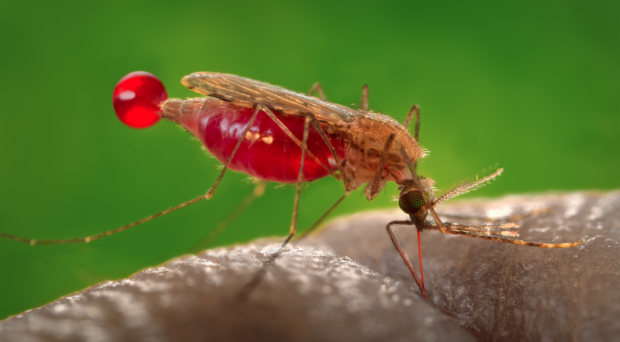
Image showing Anopheles stephensi (Source: CDC Public Health Image Library)
6. Culex pipiens complex: They are widely distributed; 4 to 6 mm; dusk and night biter; primary West Nile virus vectors with birds as reservoirs.

Image showing Culex pipiens (Source: Ary Farajollahi – Bugwood)
7. Culex quinquefasciatus: They are commonly found in tropical and subtropical cities; often breeds in polluted water; vectors West Nile and filarial worms in some regions.

Image showing Culex quinquefasciatus (Source: James Gathany – CDC)
Threats and conservation status
- Mosquitoes as a family are abundant. Most species are not evaluated for conservation listing, and none are generally considered threatened at a global level.
- Control programs target species that spread disease and those that cause heavy biting near homes.
Human impact and threats
- Mosquitoes are worse than annoying, they can transmit diseases like malaria, dengue, Zika, and West Nile.
- In the U.S., only about 12 of the 200 species carry disease-causing germs. Still, their bites cause itchy reactions and potential health risks.
Fun facts
- Mosquitoes have been bothering us for at least 46 million years.
- The lifecycle for Aedes species (like the dengue mosquito) can be as short as a week.
- Mosquito eggs can survive dry periods, some species hatch even after months of drying out.
- Aedes aegypti mosquitoes can sense right-handed (dextrorotatory) octenol in human breath.
Share this post to educate someone today. You can also reach out to us at Doctor Hulk Veterinary Hospital through 08143397614 for advice on preventing mosquito bites or protecting your pets.
Reviews
There are no reviews yet.