


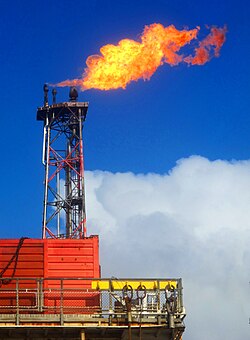
Nigeria has given official permits to 28 companies under its Nigerian Gas Flare Commercialisation Programme (NGFCP), a key effort to stop routine gas flaring and turn wasted gas into useful energy and products.
The programme is designed to capture between 250–300 million cubic feet of gas per day that is normally burned off during oil production. This captured gas could help generate almost 3 gigawatts of electricity, cut about 6 million tonnes of carbon emissions each year, and supply cooking gas (LPG) to around 1.4 million homes.
Officials expect the initiative to attract up to $2 billion in investment and create more than 100,000 jobs in Nigeria. The permits were awarded after a competitive process that allocated 49 flare sites to 42 bidders, and 28 firms have now signed agreements allowing them to access the flare gas.
Government leaders said the programme fits into Nigeria’s broader strategy to reduce emissions, make better use of natural gas, and improve the country’s energy profile, but pointed out that actual engineering work, construction and financing still need to begin