


Dangerous pesticides that Nigeria officially outlawed years ago are still turning up in farm soil, vegetables and even soil animals, new field tests show. Although the country banned several organochlorine chemicals back in 2008 over concerns about their harm to people and the environment, traces of these substances persist in some farmlands.
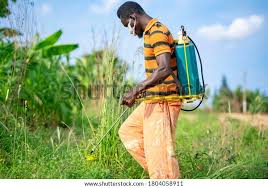
Farmers in parts of the country say they continue to use products containing these banned ingredients because they are easy to find in local markets. One vegetable grower near Lagos told reporters that he has applied a pesticide known to contain lindane, a chemical on Nigeria’s banned list, to protect his crops from insects. He admitted that many farmers lack safe spraying practices or protective equipment, and that misuse of pesticides can cause health problems.
Soil and plant samples collected from this farmland were analysed by scientists. The tests detected several banned pesticides in the soil, earthworms, and leafy vegetables, including lindane, heptachlor and aldrin. These chemicals are known to break down very slowly, build up in living organisms, and can harm both human health and wildlife.
Professionals say the ongoing presence of these substances points to weak enforcement of Nigeria’s ban and gaps in awareness among farmers. One environmental specialist highlighted that porous borders, poor regulatory follow-through, and a lack of coordinated monitoring allow banned pesticides to be sold and used long after they should have disappeared from the market.
Other scientists warn that these chemicals can disrupt soil ecosystems by killing beneficial organisms like earthworms, reducing soil fertility, and contaminating nearby water bodies when washed away by rain. They stress the need for better education on safer farming methods and broader adoption of sustainable practices like integrated pest management to reduce dependence on toxic chemical sprays.
The findings raise concerns about food safety, environmental health, and the effectiveness of current regulatory systems in ensuring that hazardous pesticides are truly phased out in Nigeria.